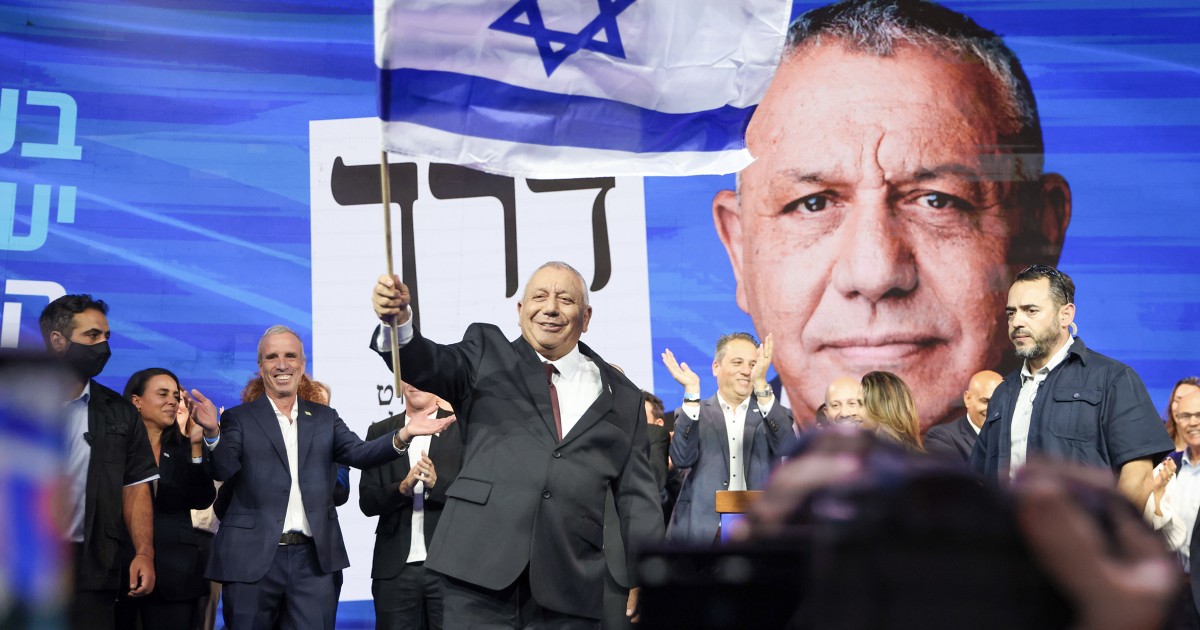
Israel's president has chosen a political rival of Benjamin Netanyahu to form a new government. This major move comes after Netanyahu failed to secure enough support to build his own ruling coalition. The decision gives the opposition a direct chance to take charge and change the country's political path.
Who will form the next Israeli government?
The president of Israel made the official call after looking at the options on the table. In Israel, the leader who gets tapped must gather enough parties together to create a working majority. Because Benjamin Netanyahu could not get enough allies to sign on, the president turned to his top rival to take the lead.
Building a ruling group is never simple in Israeli politics. Many small parties have different goals, and they must agree on shared plans before they can run the country. If the rival succeeds, a new coalition will take office. Past efforts, such as the Thirty-fifth government of Israel, showed how hard it can be for rival factions to work side by side.
Why this power shift matters right now
Netanyahu has been the central figure in Israeli politics for many years. Many voters have supported him, while many others have pushed hard for a fresh start at the top. Seeing his main rival get the official call marks one of the toughest moments in Netanyahu's political career.
Here are a few reasons why this change is such big news for the public:
- It could officially remove Benjamin Netanyahu from his seat as prime minister.
- It gives rival political parties a direct chance to set new national laws.
- It tests whether different groups can set aside their fights to work together.
- It could reset how the nation works with key partners across the world.
What happens if the rival fails to make a deal?
Getting tapped by the president does not guarantee success. The rival gets a set window of time to talk to other parties and agree on who gets key roles. If those talks fall apart, the country could face serious political gridlock once again.
When no leader can build a coalition, the country often has to hold another election. Israel has seen this happen several times, starting around the April 2019 Israeli legislative election that kicked off a long cycle of repeat votes. People are watching closely to see if the rival can bring lawmakers together and avoid sending voters right back to the polls.
What everyday people should watch for next
In the coming days, party leaders will meet behind closed doors to hammer out agreements. They will debate who gets top jobs and how to handle taxes, schools, and security. Everyday citizens care deeply about these talks because the outcome shapes daily living costs and national safety.
If a deal is reached, the new government will hold a vote of confidence to take power. If the rival fails, Netanyahu could look for another opening to stay in the game. All eyes are now on the rival to see if he can turn this chance into a lasting administration.

No comments:
Post a Comment